Before you order replacement windows in Florida, confirm the project requirements for your address and the exact window configuration being proposed. A familiar brand, a strong-sounding label, or a neighbor’s recent installation doesn’t settle those details for your home.
Your job at this stage is to collect the right questions and documents, not calculate structural pressures or design an installation. Use this checklist to make the conversation with your contractor and local building department more specific.
1. Start with the address and the local review process
Find the building department that has authority over your property, which may be a city rather than the county. Explain whether you’re replacing existing units, changing opening sizes, or combining the window work with another renovation.
Ask which permit application, drawings, approvals, and inspections apply to your proposed work. Keep a dated link or copy of the department’s current checklist, and confirm anything that doesn’t clearly fit your situation.
For example, the City of Miami’s replacement checklist requests a building permit, opening locations, window sizes and models, product approvals, and inspections. It is a local example, not a statewide application packet.
Don’t order first and hope the paperwork will catch up later. Ask your contractor what must be confirmed before purchasing, and get a clear answer about who prepares, submits, and follows up on each part of the application.
2. Give every opening a place on your list
Make a simple room-by-room opening list with photographs and an identifier such as “bedroom north window.” Use that same identifier on the proposal and in later questions so everyone is talking about the same location.
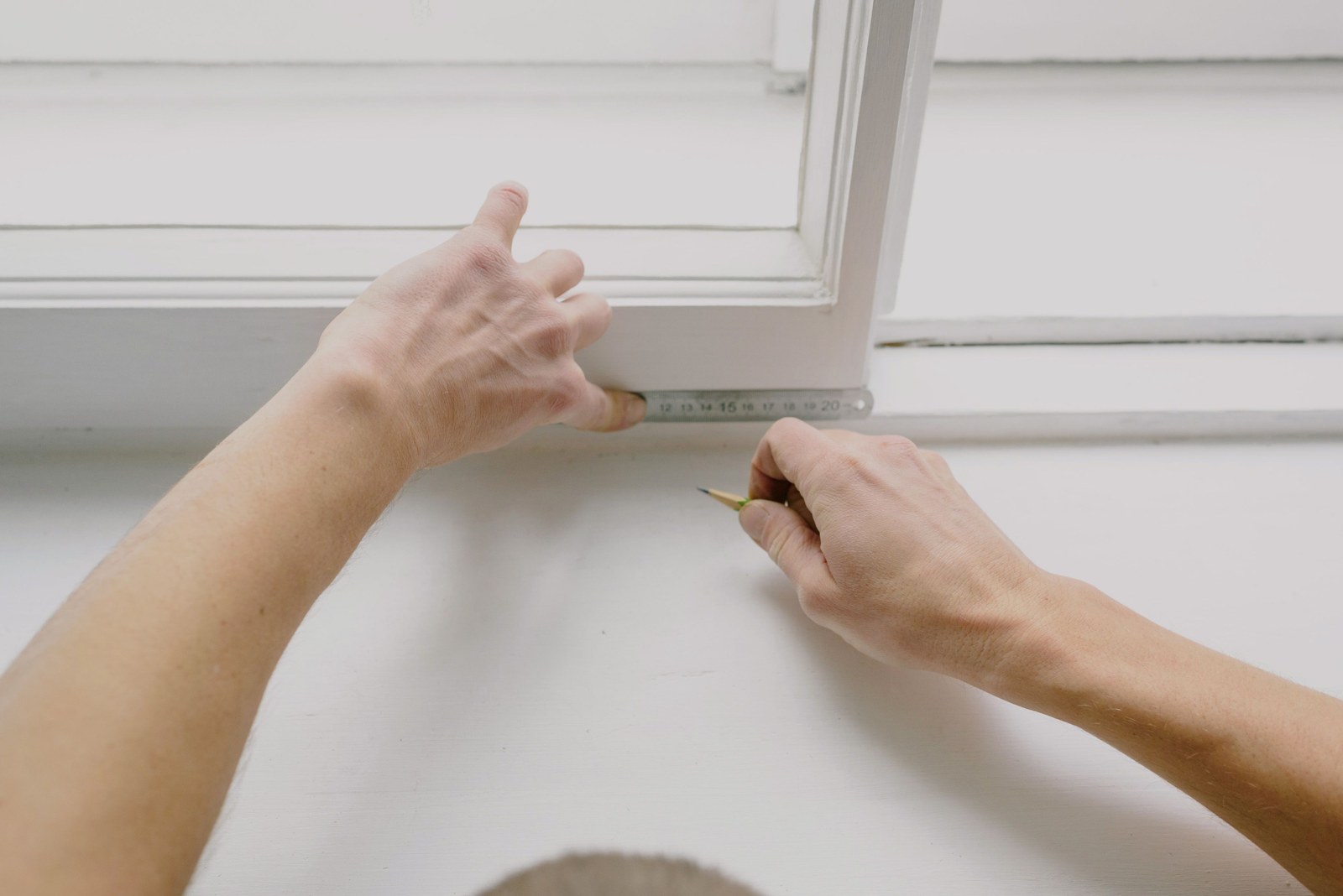
Record the visible operating style and the information you can read without taking anything apart. If you write down rough dimensions for planning, label them as preliminary and have the responsible installer confirm the order dimensions.
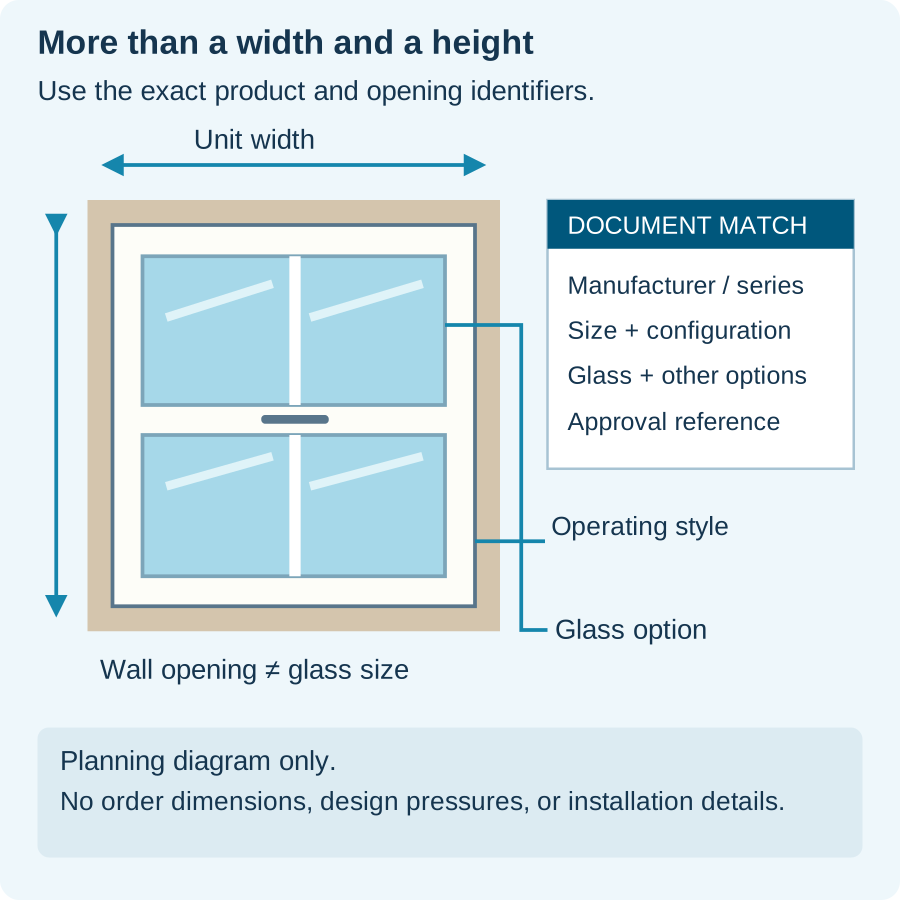
Two adjacent units can look like one large window while having different components in the paperwork. Ask how combined units, connecting members, and any changes to the opening are represented in the proposed documents.
The Seminole County product-approval form illustrates a useful document match: manufacturer, model or series, approval reference, and a layout showing the location and room use. Its required submittal remains specific to that jurisdiction.
3. Match the approval documents to the actual proposal
Ask for the documents that support the exact product being offered, not just a brochure for the brand. Check that the manufacturer, series, operating style, dimensions, and options on the proposal can be traced to those documents.
Florida DBPR’s building-code FAQ distinguishes state and local product approval and identifies windows among the covered product categories. Ask the local reviewer which approval route and limitations apply rather than assuming one number resolves every question.
If a salesperson offers an alternative after you receive the original proposal, ask for its own paperwork before accepting the change. A similar-looking frame or the same marketing description doesn’t establish an identical approved configuration.
Save complete documents with their identifying numbers and relevant revisions, rather than a screenshot of a logo. You want enough information for the installer and reviewer to identify the item without having to guess which brochure page you meant.
4. Ask who verifies the project-specific performance
Ask the contractor who establishes the required design information and checks it against the selected product’s documented limits. Don’t choose a pressure rating from an online example or copy the value used for another address.
The local reviewer may need information that isn’t obvious in a retail description. Ask how your package addresses the questions raised by your property, opening locations, building conditions, and applicable code.
Keep separate questions separate when you hear broad terms such as “hurricane window.” Ask what documented requirements the offered assembly meets and what additional protection or supporting details, if any, the project needs.
Energy performance, opening operation, appearance, and protection are different parts of the decision. Make a list of the outcomes you want so a discussion about one feature doesn’t crowd out another requirement you still need answered.
5. Understand the installation scope before comparing prices
Ask what happens between removing the old unit and restoring the surrounding finishes. The proposal should make clear who addresses the opening, required installation details, interior trim, exterior finishes, and debris.
Request the manufacturer’s installation documents associated with the selected configuration and ask who will follow them. Seminole County’s form specifically calls for manufacturer installation details to be available for inspection, illustrating why the paperwork matters beyond the sale.
Don’t treat a sealant brand mentioned in a conversation as a complete installation plan. Ask how the responsible professional will document the details the manufacturer and local reviewer require for your opening.
If concealed damage is found after removal, know how you’ll be notified and asked to approve additional work. Have that conversation while you can compare proposals calmly rather than when a room is open to the weather.
6. Check the things you’ll use every day
Ask to see how the proposed unit opens, locks, and is cleaned, using the exact style where possible. Note whether your preferred window covering, screen, or interior trim needs a separate change.
Look at the glass and frame options together instead of choosing each from memory. A sample can help you discuss appearance, but confirm that the option you like is included in the documented product being ordered.
For bedrooms and other locations with special opening or safety considerations, ask the designer, installer, or building department to identify the applicable requirements. Don’t rely on the visible glass area as proof that a replacement meets them.
Keep written answers about maintenance and warranty coverage, including who handles a problem after installation. A manufacturer warranty and an installer’s work commitment may involve different people, conditions, and contact routes.
If your property has an association or other approval process, ask about it early and keep it separate from the building department’s review. An appearance decision from one organization doesn’t answer the technical questions another reviewer may need to resolve.
For an occupied home, discuss which rooms will be worked on first and what access the crew needs. Move this conversation ahead of delivery so you can plan furniture, pets, and the parts of the house you still need to use.
Ask how the crew will protect nearby belongings and manage the opening while a unit is being replaced. You’re looking for a clear project plan, not deciding on a temporary weatherproofing detail yourself.
Photograph existing trim and finishes you expect to keep before the work starts. Those images give you a concrete way to discuss matching and restoration instead of discovering that you and the installer imagined different finished results.
7. Put the final checks in one place before ordering
Compare the final proposal against your opening list and the documents you collected. Every location should have an identifiable product, the relevant supporting paperwork, and a clear description of the work around it.
Confirm who obtains the permit, schedules the required inspections, and provides the completed project documents. Ask what you should keep after the work ends so you aren’t searching through unrelated emails later.
In Florida, you can use the DBPR verification route to check a license and ask about licensing requirements. Match the business information to the party actually offering and contracting for your work.
Pause if the salesperson can’t identify what will be delivered or how it matches the reviewed project. You can make a more useful decision once the product, paperwork, installation responsibility, and local requirements tell the same story.